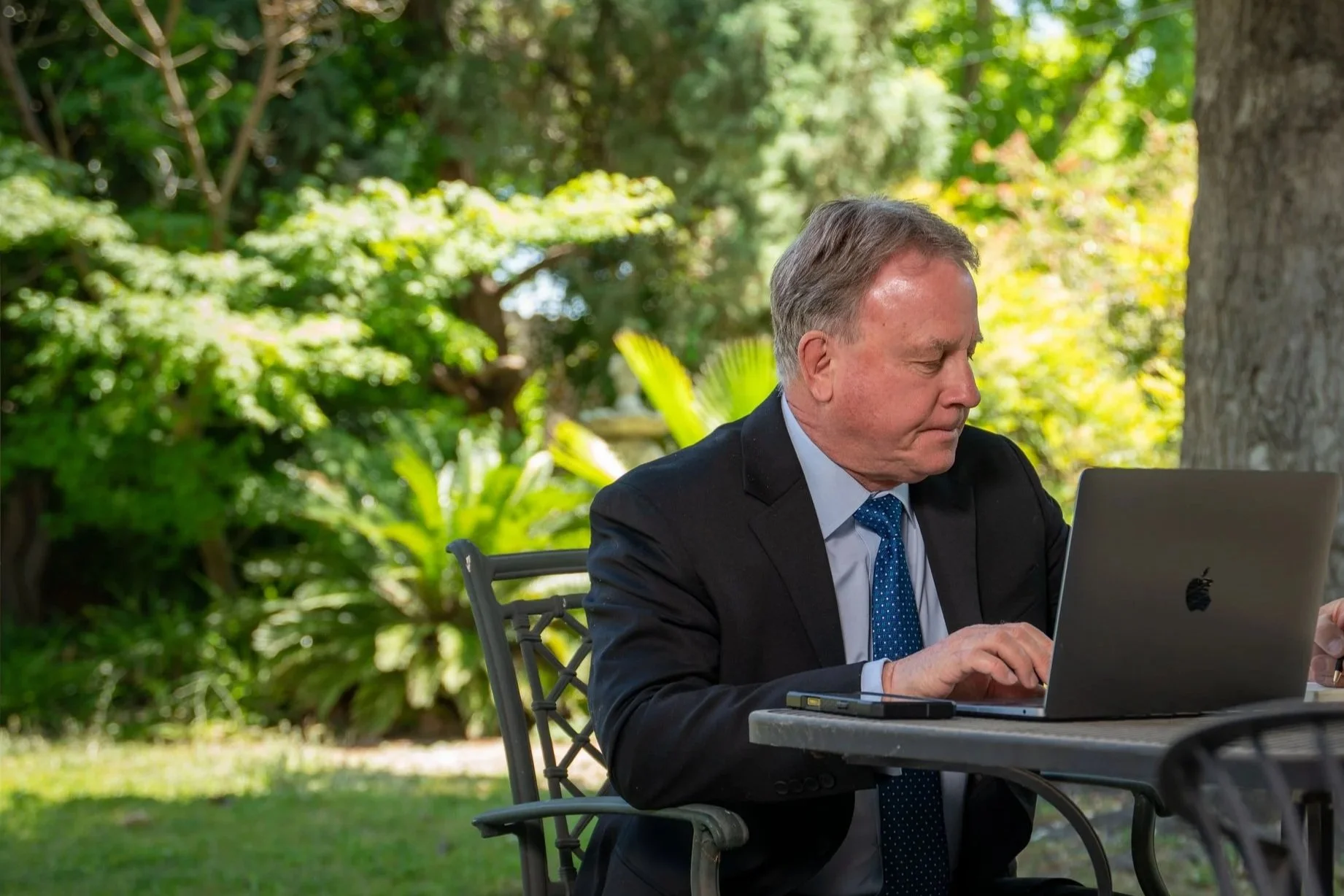
Rob’s Philosophy
“Mediation works when people stop performing and start talking.
The tension in a mediation format generally is not about facts, rather it concerns a pre-conceived negotiation posture. People often see themselves as a combatant and arrive braced for a fight. That artificial defensive shield can absorb half the day before any real discussions occur. My job is to lower the temperature early and create breathing room to allow both sides to tell their whole story, and then quickly and honestly discuss the emotional and financial road blocks that must be overcome.
We all understand that I do not represent either side and I would never unduly influence the participants into arriving at a resolution just to save some time. My job is to facilitate a clear understanding from both perspectives of what matters most to each side. Once we can distill the discussion into these finer points, I often find that the solution is more easily obtained than had been initially thought. What might have been perceived as an impossible outcome usually turns on one or two points that are easily misunderstood in the heat of an adversarial arena."

The Mediation Process
-
Schedule a 15-minute call with Rob to determine if he's the right mediator for your matter. No obligation. No fee.
-
Know your key facts, your evidence, and your authority. Parties are to submit briefs (maximum 10 pages) at least five business days in advance of mediation.
Mediation briefs should include:
Factual background
Procedural history
Legal claims and the basis for each
Damages analysis
Settlement demands and offers to date
-
After reviewing the briefs, Rob holds a 30-minute call with counsel for each side. These calls are required and give each side a chance to speak confidentially with Rob about the challenges they anticipate, the key stakeholders involved, and the dynamics that could slow or stall settlement.
-
Both sides have a story, and Rob takes the time to make sure each one is fully heard before the conversation turns to numbers. The day generally begins with introductions and context-setting, then moves into an exchange of demands and counter-offers. From there, the conversation continues in successive rounds, with positions evolving and the numbers moving closer, until the end result comes into view for both sides.
Closure has real value, even when it doesn't feel that way in the moment. Over four decades of practice, Rob has watched parties walk away from a resolved matter feeling like they left something on the table. Almost every one of them, given time, would say the certainty was worth it. His role is to help parties get there, honestly and directly.